ALL FEATURES | ALL FULL ISSUES | ISSUE 27

Originally published on October 11, 2026 in issue 27 of Forward Weekly
With more than 650,000 special ballots approved and mailed to Albertans — 131,000 of which were back and validated by October — Alberta’s referendum campaign is closer to the finish line than you might think. At least on the separation question, most minds are made up. It’s not too early to take a step back and grade the performance of the federalist campaigns.
I’ve worked my share of campaigns and regardless of province or party, all campaigns need three foundational elements to be successful: emotion, contrast and symbolism.
Let’s start with emotion. It’s usually fear or anger. Sometimes it’s a hunger for stability, which carried the 2025 federal election. Emotion motivates your base and offers clues about what might persuade swing voters. Not always — witness Conservatives’ desire to make vaccines an election issue. But usually, what excites hardcore, high-information voters can be translated into a motivating argument for normies.
Contrast puts a face to your opponent, without which there’s no such thing as democracy. It’s not enough to make your case; you have to disqualify the opponent in the public mind. Otherwise, voters may wonder: if you don’t have a problem with your opponent, why should they?
Then there’s symbolism — the stagecraft of every campaign. It’s the reason leaders dress the way they do, carefully choose the backdrop for every announcement and stress over the perfect slogans, buttons and lawn signs.
Together, emotion, contrast and symbolism are what turn political ideas into something voters can understand, feel and act on. And that matters beyond this referendum. Whatever happens on October 19, this deeply divisive campaign will be with Albertans for years, if not decades, and may permanently reshape the province’s politics. So it’s worth asking what worked, what didn’t, and what Albertans can learn from the campaigns trying to define Alberta’s identity within Canada.
So, let’s get grading!

Thomas Lukaszuk's group did the symbolism. Its signs went up first and everywhere, normalizing the majority opinion before anyone else showed up. No other campaign could or would do that work — and it was foundational.
But Forever Canadian registered as a referendum third-party advertiser and then declined to behave like one, on the claim that it campaigns for unity rather than the referendum. As a “TPA,” the legislation requires you to take a position on the nine questions and advertise accordingly. But Forever Canadian avoided registering as a third-party advertiser until late summer — possibly to avoid disclosing its donors. That confined the group to anodyne “unity” messages rather than direct appeals like “vote to stay” or “vote no to the separatist agenda.”
The choice kept Forever Canadian from behaving like a real campaign — where you tell voters how to vote by explaining to them that the opponent is somehow unacceptable. Without contrast, the emotion went flat, and the potential of the Forever Canadian campaign to be the broad-based voice to inoculate Albertans against the separatist policy agenda was frittered away.
Still, we have to give it to them on symbolism. Forever Canadian flags and signs did the heavy lifting that the federal government could and should have done.
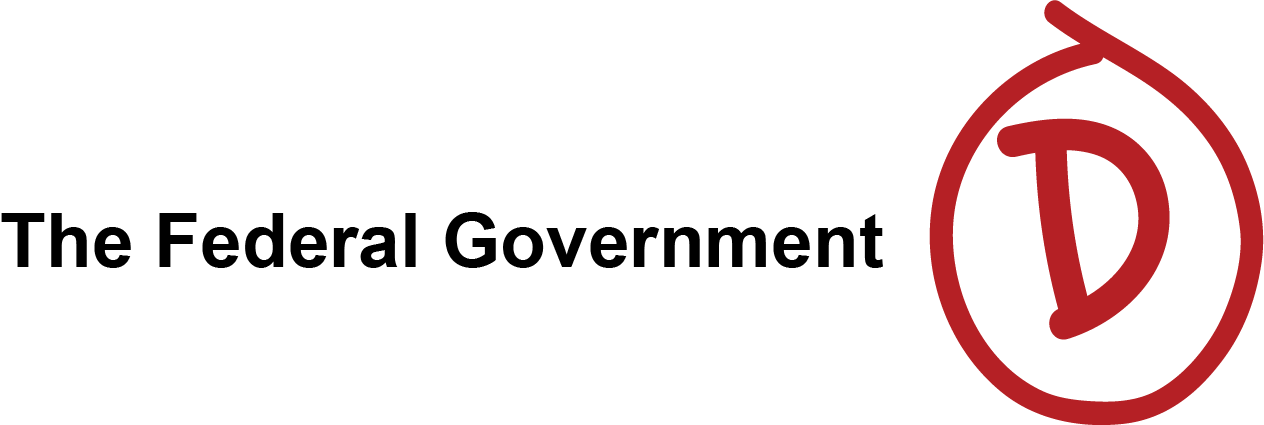
Symbolism was Ottawa's easiest, most expected play — and it made none. The federal government could have distributed flags across the province. They could have bought ads reminding Albertans what they’d lose by separating. They could have done both things, and much more, in their sleep.
Arguably, the symbolic representation of Canadian unity is the one job of the federal government. It’s true that drawing sharp contrasts would have meant picking a fight with Danielle Smith — politically fraught territory for the Government of Canada.. So we can all understand why Carney didn’t play on that issue. But on symbolism and emotion, all we got was a pipeline.
Alberta’s second taxpayer-funded pipeline made Mark Carney the most popular politician in the country and ground Pierre Poilievre down further. It certainly blunted separatist anger, but it gave “stay” voters nothing to feel. The feds put a thumb on the scale against the separatist campaign, but they didn’t lift a finger in an emotional or symbolic sense.
Dangerously, in my view, relying on the pipeline play left the federal government’s case for unity feeling antiseptic: less about belonging than about pipelines, carbon policy and keeping Alberta’s oilpatch happy. That’s not really a great case for Canada, but that’s where Mark Carney’s approach to federalism has led us.

Vote to Stay, a third-party advertiser founded by well-known conservatives (among them, Jason Kenney), fails on grounds of indolence.
With several marquee names behind it, Vote to Stay promised to raise all kinds of money out of downtown Calgary. Through its considerable connections, the idea was that normie Conservatives and corporate Calgary types could reach other normie Conservatives across Alberta. The thesis was sound: normie-centrist-federalist Conservatives are the political backbone of Alberta, and mobilizing them could marginalize the separatist fringe within conservative politics. But Vote to Stay couldn’t deliver, having only raised around $130,000 — about a fifth of the $607,000 cap.
Vote to Stay landed one punch, though. Back in August, it surfaced racism at a separatist town hall that forced the separatists to repudiate it. That was contrast, and it was where Vote to Stay could have kept building their reputation by tailing separatist events (online and in-person) and continuing to elevate what separatists actually believe. Via Vote to Stay, normie Conservatives had a chance to drive separatists out of polite company and return the conservative movement to its happy place of tax cuts for the rich and private health care.
Vote to Stay did great communications and understood their message and their audience. But they couldn’t actually mount the right level of emotion or contrast. The whole thing kind of explains how conspiracists and separatists took over the United Conservative Party in the first place.
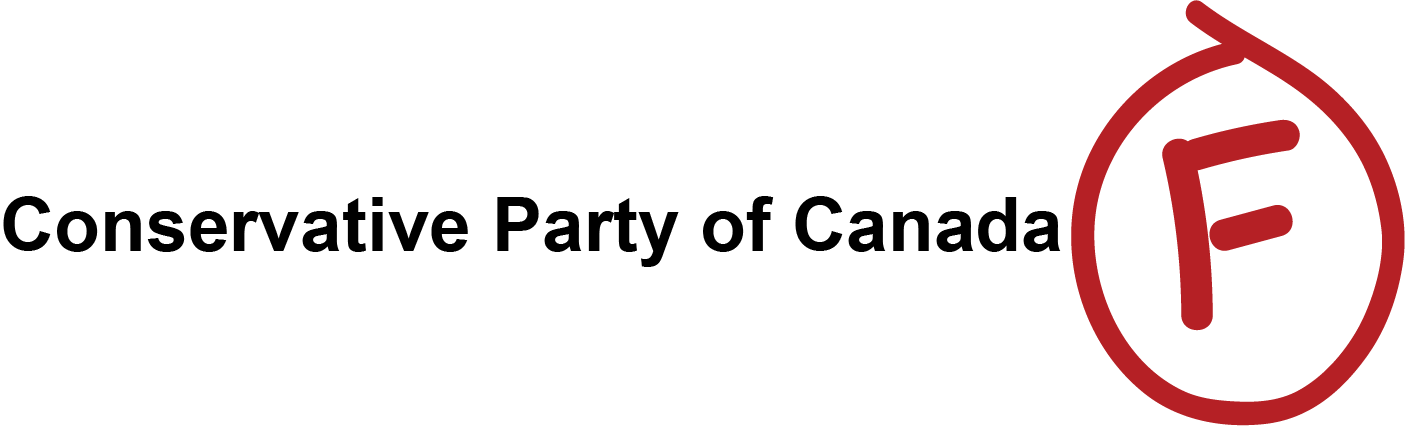
The CPC announced a campaign and did very little since. Poilievre's leadership looks hostage to separatist sentiment, and whispers say several of his Alberta MPs are close to the cause. Its real contribution could be a ground game: a get-out-the-vote push in northeast Calgary and south Edmonton. That hasn't materialized, but it still could.
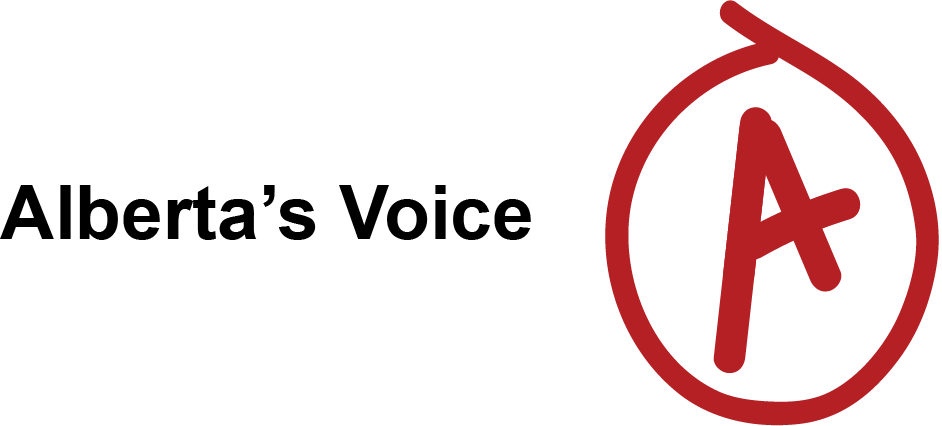
Alberta’s Voice came closest to a complete campaign. Stephen Carter needed a redemption arc after getting his ass handed to him during last year’s municipal campaigns when he lost every single seat he contested with his political party experiment. It had all the hallmarks of a classic Carter campaign, except this time it went right. The endgame message in the last two weeks went straight at Danielle Smith, tying her to the nine questions so that giving any non-UCP voter a clear way to channel their frustration and reject her agenda.
The emotion came from a values critique of the UCP, channelled into the act of rejection, and summarized in four words — “No to the Nine” — which the progressive commentariat took up wholesale. Resources limited how far the symbolism could go, but all three campaign fundamentals were there.
I’ll give this one an A, but for the love of God, no one tell Carter I went easy on him — he’ll never let any of us forget it.

Public Interest Alberta's campaign had unapologetic contrast, aimed at mobilizing progressives against the UCP government. It had emotion, too: anger at a distraction built on the wrong priorities. It left symbolism to No to the Nine because it had to: according to the third-party advertiser rules, campaigns couldn’t collude with one another, and given money constraints, Together: No! had to focus its efforts on a basic message, door knocking and reminders to vote. In this sense, it never tried to compete on the playing field of a fully formed air-war campaign.
Our Alberta Advantage made the same strategic call. Both campaigns reflect a choice about where to spend scarce resources. (Editor’s note: Our Alberta Advantage is affiliated with Richard Einarson and Zain Velji, the publishers of Forward Weekly.)
Media has called the federalist side disorganized, but I think that reading is facile. The UCP wrote and rewrote the third-party advertising rules while tinkering with the referendum law itself, so “disorganization” was by design. Still, some campaigns understood the job: give people a reason to vote, make the case against separation and remind Albertans what they stand to lose by leaving Canada.
So much more could have come from this referendum campaign. But at least Albertans now know what to look for during the provincial election contest.
A note from Forward Weekly on opinion content: The opinions expressed in this feature article are solely those of the author and do not necessarily reflect the views of Forward Weekly or its publisher, editors, staff, or affiliates.